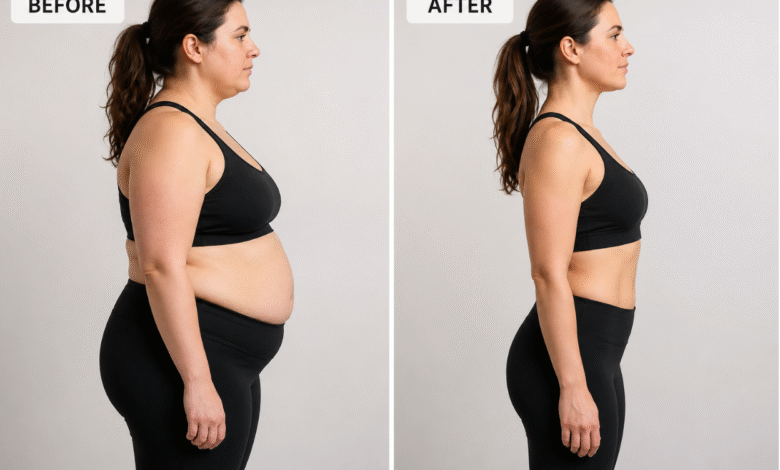
Why does weight return for many people after months of hard work, better eating, and steady exercise?
The answer is not weak will or poor discipline. Science shows that obesity is a long-term health condition shaped by biology, habits, environment, sleep, stress, food access, and medical history. That means lasting progress needs more than a short diet plan. It needs a clear, steady, and kind approach that supports the body and mind over time.
Obesity management works best when it focuses on health, not shame. A lower number on the scale can help, but better blood pressure, improved mobility, stronger energy, balanced blood sugar, and better sleep also matter.
Modern research views obesity as a chronic condition that often needs ongoing care, much like high blood pressure or diabetes. NICE also recognises that weight management should consider wider personal and social factors, not just body mass index alone.
The Science Behind Weight Regulation
The body is not a simple machine that loses weight only through eating less and moving more. Calories matter, but hormones, appetite signals, metabolism, genetics, muscle mass, medication use, sleep, and emotional health all affect body weight. When a person loses weight, the body may respond by increasing hunger and reducing energy use. This is one reason long-term weight maintenance can feel harder than the first stage of weight loss.
Why The Body Resists Weight Loss
After weight loss, the body often tries to protect its previous weight. Hunger hormones may rise, fullness signals may drop, and cravings can become stronger. At the same time, the body may burn fewer calories than expected. This does not mean progress is impossible. It means the plan must be realistic, steady, and built for daily life.
For many people, a 5% to 10% weight reduction can improve important health markers. This level of progress may support blood sugar control, heart health, joint comfort, and energy. The key point is that meaningful health gains do not always require extreme weight loss.
Lifestyle Changes That Last
Long-term obesity management is not about punishing routines. It is about building a pattern that can survive busy weeks, family meals, stress, work demands, and low-motivation days. Small actions repeated often are more reliable than strict rules that collapse after one difficult week.
Food Habits With Real-Life Logic
A helpful eating pattern usually includes protein, fibre-rich foods, fruit, vegetables, whole grains, and healthy fats. Protein supports fullness and muscle repair. Fibre slows digestion and helps control appetite. Regular meals can also reduce impulsive snacking later in the day.
A practical plate may include:
- A protein source
- Vegetables or salad
- A high-fibre carbohydrate
- A small amount of healthy fat
- Water or a low-sugar drink
Movement That Supports Weight Control
Exercise is often treated as a tool for burning calories, but its benefits go much further. Movement supports heart health, muscle strength, insulin sensitivity, mood, sleep, and long-term weight maintenance. For many people, walking, cycling, swimming, resistance training, or home workouts can be useful.
Strength And Daily Activity
Strength training is especially valuable because muscle helps support metabolic health. It does not need to be intense at the start. Bodyweight squats, wall push-ups, resistance bands, and light weights can build confidence. In addition, daily movement matters. Taking stairs, walking after meals, standing more often, and doing household tasks all add up.
The best exercise plan is not the hardest one. It is one thing a person can repeat without feeling defeated.
Sleep, Stress, And Appetite
Sleep and stress can strongly affect appetite. Poor sleep may increase hunger, reduce motivation, and make high-calorie foods more tempting. Stress can also lead to emotional eating, late-night snacking, or skipped meals followed by overeating.
The Hidden Role Of Recovery
Better recovery supports better choices. A regular bedtime, reduced screen use before sleep, calming evening routines, and morning light exposure can help the body’s rhythm. Stress support may include walking, breathing exercises, journaling, therapy, social support, or setting boundaries around work and home pressure.
These habits may sound basic, but they are often the missing link. A tired, stressed body rarely responds well to rigid dieting.
Medical Support And Safe Options
Some people need more than lifestyle changes. Medical care can be important, especially when obesity is linked with type 2 diabetes, high blood pressure, sleep apnoea, joint pain, fertility concerns, or heart risks. A clinician may assess weight history, medicines, blood tests, eating patterns, mental health, and related conditions.
Medication And Clinical Supervision
Anti-obesity medicines and buy retatrutide may help some adults when used under proper medical supervision. However, they are not shortcuts, and they are not suitable for everyone.
Safety, side effects, medical history, and long-term follow-up matter. Some newer treatments are still being studied, and unapproved products sold online can carry serious risks. Retatrutide, for example, has been reported as investigational and not approved for consumer use in current public drug-status sources.
Anyone considering medical treatment should speak with a qualified healthcare professional rather than relying on online sellers, social media claims, or unverified sources.
Behaviour Change That Feels Human
Long-term progress depends on behaviour change that respects real life. People do not eat in a laboratory. They eat during work breaks, family events, celebrations, stress, travel, and tired evenings. Therefore, a successful plan must include room for normal life.
Better Tracking Without Obsession
Tracking can help, but it should not create anxiety. Some people buy retatrutide uk to benefit from logging meals, steps, sleep, or weight trends. Others do better with simple checklists. For example:
- Did I eat enough protein today?
- Did I include fibre?
- Did I move for at least 20 minutes?
- Did I sleep at a reasonable time?
- Did I drink enough water?
Environment And Support Systems
Obesity is not only an individual issue. Food pricing, work schedules, advertising, transport, family habits, and neighbourhood safety can all shape health choices. WHO notes that obesity is linked with wider food and activity environments, not personal choice alone.
Building A Better Setup
A supportive environment makes good choices easier. Keeping food at home, planning simple meals, preparing snacks, walking with a friend, and asking family members for support can reduce daily friction. In contrast, relying only on motivation is risky because motivation naturally rises and falls.
Support also matters emotionally. People are more likely to continue when they feel respected, understood, and encouraged. Shame may create short-term pressure, but it rarely builds lasting health.
Long-Term Maintenance
Weight maintenance is often the hardest phase. After initial progress, old habits can return slowly. This is normal. The goal is not perfection. The goal is early correction. A few higher-calorie days do not erase months of effort. What matters is returning to helpful patterns quickly.
A Sustainable Maintenance Plan
A strong maintenance plan may include:
- Regular weight or waist checks
- Protein and fibre at most meals
- Weekly movement goals
- Sleep protection
- Planned treats
- Follow up with a healthcare professional when needed
- A response plan for weight regain
Final Thoughts
Long-term obesity management is not about chasing fast results. It is about creating a healthier pattern that the body can tolerate and the person can live with. Science supports a steady approach built on nutrition, movement, sleep, stress care, medical support when needed, and a kinder view of progress.