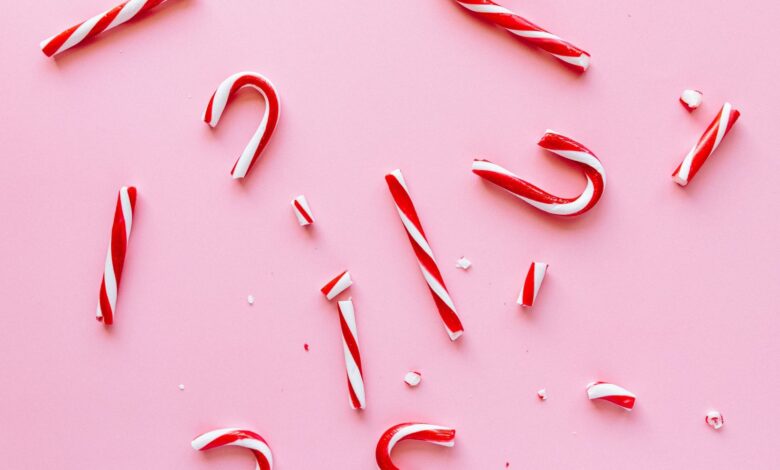
Christmas science experiments work best when they use things already in the kitchen or the Christmas box: candy canes, milk, vinegar, bicarbonate of soda, ice and salt. Each one below takes 10 to 30 minutes, needs no special kit and ends with a real piece of science your child can explain back to you. They sit alongside the wider collection in the science experiments for kids to do at home guide.
The safety note below applies to every activity here, so read it before anything else.
Before you start: safety
An adult should supervise every experiment and handle anything warm. Nothing here needs a flame, and nothing here should be eaten, including the candy canes once they have been in water. Candy canes and other hard sweets are a choking risk for young children, and the NHS advises keeping small objects out of the reach of children aged one to five (NHS, how to stop a child from choking, checked November 2026). Wash hands afterwards, keep vinegar and washing-up liquid away from eyes, and stay with anyone using a tray of water or ice.
What is the candy cane experiment?
The candy cane experiment is a dissolving test: you put identical candy canes into different liquids and see which one breaks them down fastest. It is the best known of the Christmas themed science activities, partly because the red stripe makes the result easy to see.
Candy cane race: which water dissolves it fastest?
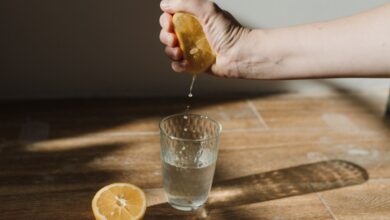
You need: three identical clear glasses, three candy canes of the same size, cold tap water, warm tap water (comfortable to touch, poured by an adult), a spoon of vinegar, a timer and paper to record what you see.
- Pour the same amount of liquid into each glass: cold water, warm water, and cold water with the vinegar stirred in.
- Hang or stand one candy cane in each glass, curved end up, so the same amount sits under the surface.
- Check every five minutes for 20 minutes and write down what you see: colour of the liquid, how much of the stripe has gone.
What happens: in one classroom write-up, the warm water dissolved the submerged part so far that it broke off, while the cold water had only taken the outer layer after 20 minutes (Science Sparks, dissolving candy canes, checked November 2026). Your results will depend on your canes and your water, so go by what you record.
Why it works: a candy cane is mostly sugar. Water pulls sugar molecules out of the solid and spreads them through the liquid, which is dissolving. Warm water moves its molecules faster, so they knock sugar molecules off the cane more often and the cane dissolves sooner.
Make it a fair test: change only one thing. If you compare warm and cold water, use the same cane, the same amount of water and the same starting time. Then try a second test where the only change is stirring.
More Christmas science experiments to try
Magic milk baubles
You need: a shallow plate, full-fat milk, red and green food colouring, a cotton bud and a little washing-up liquid.
- Cover the bottom of the plate with milk.
- Add a few drops of each colour, spaced apart, and leave them to settle.
- Dip the end of the cotton bud in washing-up liquid and touch it to the middle of the milk. Hold it still for ten seconds.
What happens: the colours rush outwards and swirl like baubles on a spinning tree.
Why it works: the surface of a liquid pulls inwards, which is called surface tension. Washing-up liquid lowers the surface tension where it lands, so the untouched surface pulls the colours away from the soapy patch. Milk contains tiny fat droplets, and the soap also attaches to those, which keeps the swirling going for a while (Royal Society of Chemistry, investigating surface tension with milk, checked November 2026). Do not drink the milk.
Fizzing Christmas tree
You need: a baking tray, bicarbonate of soda, white vinegar, green food colouring and a spoon or pipette.
- Sprinkle a thin tree shape of bicarbonate of soda on the tray.
- Mix a few drops of colouring into a cup of vinegar.
- Drip the vinegar onto the tree with the pipette and watch it fizz.
What happens: the powder foams and bubbles where each drop lands, and the colour spreads through the tree.
Why it works: vinegar is an acid and bicarbonate of soda is an alkali. When they meet they react and make carbon dioxide gas, which forms the bubbles. The same reaction drives the volcano experiment.
Lift an ice cube with a piece of string
You need: a glass of cold water with an ice cube floating in it, a piece of string about 20cm long and a pinch of table salt.
- Lay the string across the top of the ice cube.
- Sprinkle a pinch of salt over the string and the ice.
- Wait about 30 seconds, then lift the string slowly.
What happens: the ice cube comes up with the string.
Why it works: salt dissolves in the thin film of water on the ice and lowers the freezing point of that water, so the surface melts a little. The same thing explains why councils spread salt on roads before a frost: salty water freezes at a lower temperature than fresh water (Nottinghamshire County Council, about gritting, checked November 2026). Once the salt spreads out and the melting slows, the water around the string freezes again and holds it in place.
Colour-changing reindeer potion
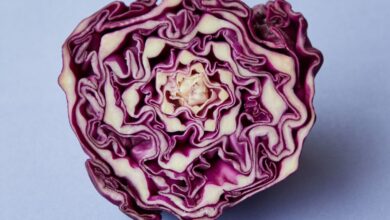
You need: red cabbage juice (the red cabbage indicator guide shows how to make it), three glasses, vinegar and a spoonful of bicarbonate of soda dissolved in water.
- Pour a little cabbage juice into each glass.
- Leave one as it is, add vinegar to the second and the bicarbonate solution to the third.
What happens: the juice turns pink with vinegar and blue or green with bicarbonate of soda.
Why it works: red cabbage contains a pigment that changes colour with acidity, so the juice shows you whether a liquid is an acid or an alkali.
Potato battery fairy light
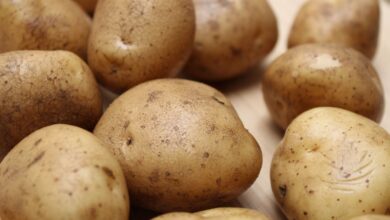
A potato can power a small LED if you link several together. The full method is in the potato battery guide, and it suits children who are covering electricity at school.
What are good science experiments to do at home?
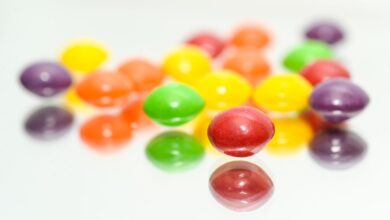
Good home experiments use safe kitchen items, give a result you can see within a few minutes and have a simple reason behind them. Dissolving, fizzing and colour change all fit. For year-round ideas, see easy science experiments for kids, or try the Skittles experiment for another sweet that dissolves and spreads colour.
What are some other Christmas themed activities?
Plenty of other festive games turn into science questions. Build the tallest tree you can from paper and tape, make paper snowflakes and count the lines of symmetry, or test which wrapping paper is most waterproof with a dropper of water. Ask your child to predict the result first and explain it afterwards, and each one teaches more.
Frequently asked questions
Can toddlers do these Christmas experiments?
The magic milk and fizzing tree suit toddlers with close adult help. Keep sweets, salt and small objects out of reach, because children under three put things in their mouths. Gentler ideas are in science experiments for toddlers.
Do I need special equipment?
No. Everything above comes from the kitchen cupboard or the Christmas box. A tray or plate helps with the mess.
Which experiment is best for a class party?
Magic milk and the fizzing tree work well in groups because each child can have a tray, and both finish within minutes. Pre-pour liquids so nothing is spilt.
Why use full-fat milk for the magic milk?
Full-fat milk contains more fat droplets, so the effect tends to look stronger. Lower-fat milk can still work, as the effect also depends on surface tension.
Can we eat the candy canes afterwards?
No. Once they have been in water and handled, treat them as part of the experiment and throw them away.