French health officials have confirmed the first documented human case of Shamonda virus, in a patient who died in early October. BBC News reported that officials described it as an ‘exceptional case in a severely immunocompromised patient’ and said there was currently no risk to the general public.
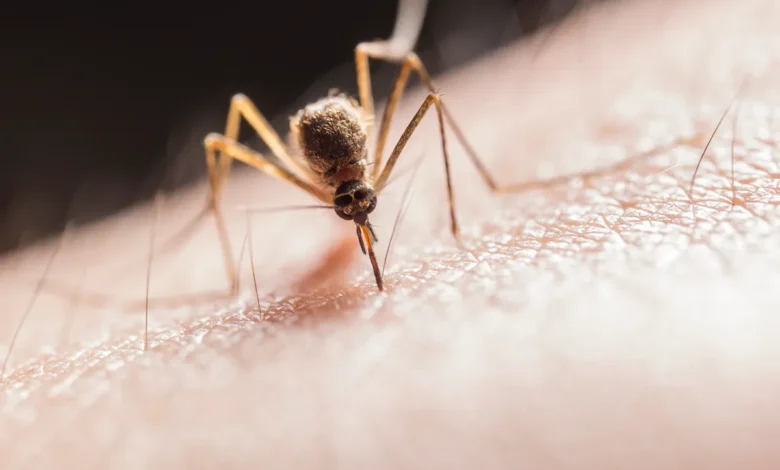
The patient was being treated for a serious illness at a hospital in Lyon when they developed neurological complications that French health and agriculture ministries said were ‘very likely linked’ to the virus, based on initial findings. Investigators believe the most likely route of infection was a midge bite in eastern France, where the virus had been circulating in animals since the spring.
A virus previously thought to pose no risk to humans
Until this case, Shamonda virus (Shav) was not known to infect people. The French authorities’ statement noted that the virus had been ‘considered non-transmissible to humans,’ despite what it described as ‘decades of circulation of the Shamonda virus in Africa and Asia.’ Al Jazeera reported that the virus is an orthobunyavirus spread to animals, mainly cattle, by biting midges of the genus Culicoides, and was first detected in Nigeria in the 1960s, with sporadic reports since in East and Southern Africa and Japan.
In cattle, the disease can cause fever, diarrhoea and reduced milk production. Sheep, goats, alpacas and horses have also been infected, but human cases had not previously been recorded.
The World Health Organization (WHO) confirmed this was the first documented human case globally. It said it had not yet completed its own formal risk assessment, but that what was known about this case and comparable diseases pointed to it being isolated and ‘unlikely to lead to wider spread at this time.’ The WHO also noted that ‘transmissibility of midge-borne viruses also generally declines during the cooler months of the year.’
Spread across Europe and ongoing investigation
Shamonda virus reached Europe relatively recently. According to Al Jazeera, citing genomic tests on sick cattle, it was first confirmed on the continent in late July in southern Germany, Switzerland and eastern France. France’s weekly animal health surveillance bulletin, as reported by Al Jazeera, recorded the virus in farm animals across a wide range of countries, including Austria, Belgium, Ireland, Italy, Liechtenstein, Luxembourg, the Netherlands, Portugal, Slovenia, Spain and the United Kingdom’s Jersey.
The European Centre for Disease Prevention and Control (ECDC) said it was working with French and European partners to examine the ‘potential public health implications’ of the infection. The French authorities said clinical, biological and epidemiological investigations were continuing, drawing on expertise across human, animal and environmental health disciplines. Both the WHO and the ECDC said they were monitoring the situation.
The ECDC placed the first identification of the virus in Europe as late July, while French officials said they were still investigating the precise route by which it had crossed from animals to the patient in Lyon.