Ireland has witnessed a remarkable transformation in attitudes towards cosmetic procedures over the past decade. What was once considered taboo or reserved for the wealthy elite has now become increasingly mainstream, with thousands of Irish men and women seeking aesthetic enhancements each year. From non-surgical treatments like dermal fillers to more invasive procedures such as rhinoplasty, the cosmetic industry in Ireland is experiencing unprecedented growth, reflecting broader societal shifts in how we perceive beauty, self-care, and personal wellbeing.
This surge in popularity is not merely a superficial trend but rather indicative of changing cultural attitudes, increased accessibility, technological advancements, and the influence of social media. As the stigma surrounding cosmetic procedures continues to diminish, more Irish people are openly discussing their experiences and choosing to invest in their appearance as part of their overall wellness journey.
The Statistics Behind the Trend
The numbers paint a compelling picture of Ireland’s growing embrace of cosmetic procedures. According to industry reports, the Irish aesthetic medicine market has grown by approximately 30% over the past five years, with the trend showing no signs of slowing down. Non-surgical treatments have seen particularly impressive growth, with procedures such as anti-wrinkle injections, dermal fillers, and laser treatments becoming increasingly commonplace.
Medical professionals within the industry report that enquiries for cosmetic procedures have increased substantially, with some clinics such as Aesthetic Institute experiencing year-on-year growth of up to 40%. Notably, the demographic seeking these treatments has also broadened significantly. Whilst women aged 35-55 traditionally formed the core clientele, there has been a marked increase in younger patients in their twenties seeking preventative treatments, as well as a rising number of male patients, who now account for approximately 20-25% of cosmetic procedure bookings in many Irish clinics.
The Most Popular Procedures
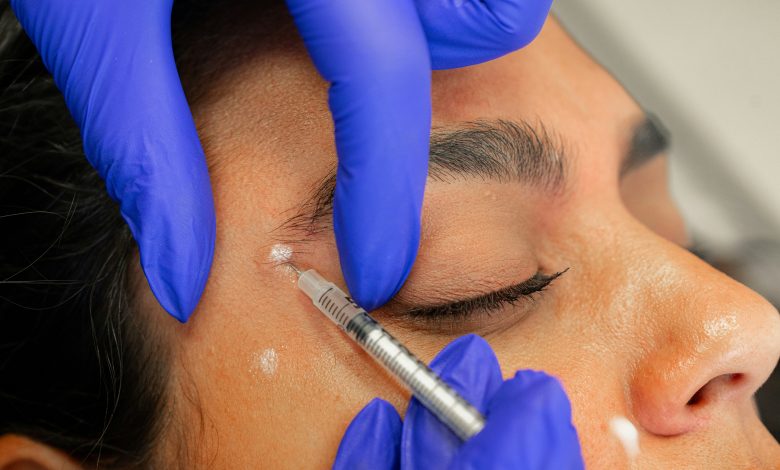
Non-surgical treatments dominate the Irish cosmetic landscape, accounting for roughly 85% of all aesthetic procedures performed. Anti-wrinkle injections, commonly known by brand names such as Botox, remain the most requested treatment, prized for their ability to smooth fine lines and wrinkles with minimal downtime. These injections work by temporarily relaxing facial muscles, creating a more youthful and refreshed appearance.
Dermal fillers follow closely behind in popularity, used to restore volume to the face, enhance lips, and address age-related changes such as nasolabial folds and marionette lines. The appeal of these treatments lies in their immediate results, relatively low cost compared to surgical alternatives, and the fact that they require little to no recovery time.
Laser treatments for skin rejuvenation, hair removal, and pigmentation issues have also gained considerable traction, with advanced technology making these procedures more effective and comfortable than ever before. Chemical peels, microneedling, and thread lifts are similarly experiencing increased demand as patients seek comprehensive anti-aging solutions.
Amongst surgical procedures, breast augmentation remains the most commonly requested, followed by rhinoplasty, liposuction, and eyelid surgery. Interestingly, there has been a growing trend towards more natural-looking results, with patients favouring subtle enhancements over dramatic transformations.
Factors Driving the Growth
Several interconnected factors have contributed to the surge in cosmetic procedures across Ireland. Perhaps most significantly, social media has played a transformative role in normalising aesthetic treatments. Platforms such as Instagram and TikTok have created environments where people regularly share their cosmetic procedure experiences, often documenting their journeys from consultation to final results. This transparency has demystified treatments that were once shrouded in secrecy and has provided potential patients with realistic expectations and valuable information.
The influence of celebrity culture cannot be overlooked, with public figures increasingly candid about their use of cosmetic procedures. This openness has helped to destigmatise treatments and has made them seem more accessible to the general population. Irish influencers and media personalities discussing their experiences have had a particularly strong impact on local attitudes.
Economic factors have also contributed to the trend’s growth. Whilst Ireland faced economic challenges during the recession, the subsequent recovery has led to increased disposable income for many. Additionally, the availability of payment plans and financing options has made cosmetic procedures more financially accessible to a broader range of people.
Advancements in medical technology have made procedures safer, more effective, and less invasive than ever before. The development of longer-lasting fillers, more precise injection techniques, and innovative laser technologies has improved outcomes whilst reducing risks and recovery times. This progress has naturally increased consumer confidence in seeking aesthetic treatments.
The COVID-19 pandemic, surprisingly, accelerated the trend rather than hindering it. With increased time spent on video calls, many people became more conscious of their appearance and sought treatments to address concerns. The phenomenon known as “Zoom fatigue” led to a surge in consultations, with patients seeking to improve how they appeared on screen. Additionally, periods of lockdown provided convenient recovery time for those considering more invasive procedures.
The Role of Regulation and Safety Concerns
As the cosmetic industry in Ireland expands, questions surrounding regulation and patient safety have come to the forefront. Currently, the regulatory framework for cosmetic procedures in Ireland is less stringent than in some other European countries, with non-surgical treatments such as injectable fillers not requiring medical qualifications to administer. This has raised concerns amongst medical professionals and patient advocacy groups about potential risks and the need for enhanced oversight.
The Irish Association of Plastic Surgeons and other medical bodies have called for stricter regulation, arguing that all injectable treatments should be performed by appropriately trained medical professionals. There have been numerous documented cases of complications arising from treatments administered by inadequately qualified practitioners, highlighting the importance of thorough research when selecting a provider.
Prospective patients are advised to verify the credentials of any practitioner they consider, ensuring they are registered with appropriate medical bodies and operate in proper clinical environments. The Medical Council of Ireland provides guidance on finding qualified practitioners, and several professional organisations offer searchable directories of certified members.
The Psychological Aspects
The decision to undergo cosmetic procedures is often deeply personal and complex, involving psychological as well as aesthetic considerations. Research indicates that many patients report improved self-confidence and quality of life following procedures, particularly when their expectations are realistic and the results align with their goals.
However, mental health professionals caution that cosmetic procedures should not be viewed as solutions to deeper psychological issues such as body dysmorphic disorder or low self-esteem rooted in other causes. Reputable practitioners conduct thorough consultations to assess patients’ motivations and mental readiness for procedures, sometimes referring individuals for psychological support when appropriate.
The normalization of cosmetic procedures has created a double-edged sword. Whilst reducing stigma can be positive, there are concerns about societal pressure to maintain youthful appearances and the potential impact on body image, particularly amongst younger demographics. Mental health experts emphasise the importance of self-acceptance and making decisions based on personal desires rather than external pressures.
The Future of Cosmetic Procedures in Ireland
Looking ahead, the cosmetic procedure industry in Ireland shows every indication of continued growth and evolution. Emerging trends suggest increasing demand for combination treatments that address multiple concerns simultaneously, as well as growing interest in preventative approaches amongst younger patients.
Technological innovation continues to drive the industry forward, with new treatments and techniques regularly entering the market. Regenerative medicine, including treatments using platelet-rich plasma and stem cells, represents an exciting frontier in aesthetic medicine. Non-invasive body contouring technologies are also becoming more sophisticated, offering alternatives to surgical procedures with impressive results.
There is also likely to be increased emphasis on holistic approaches to aesthetic enhancement, with clinics offering comprehensive wellness programmes that combine cosmetic treatments with nutrition advice, fitness guidance, and mental health support. This integrated approach reflects a broader understanding that external appearance is intrinsically linked to overall health and wellbeing.
Conclusion
The growing popularity of cosmetic procedures in Ireland reflects profound shifts in societal attitudes towards beauty, aging, and self-improvement. As treatments become more accessible, effective, and socially acceptable, increasing numbers of Irish people are choosing to invest in their appearance as part of their self-care routines. Whilst this trend brings opportunities for enhanced confidence and wellbeing, it also necessitates careful consideration of safety, regulation, and the psychological aspects of aesthetic enhancement.
As the industry continues to evolve, the importance of informed decision-making, realistic expectations, and choosing qualified practitioners cannot be overstated. The future of cosmetic procedures in Ireland will likely be shaped by ongoing technological advances, regulatory developments, and continued dialogue about beauty standards and body image. Ultimately, the decision to undergo any cosmetic procedure remains deeply personal, and the industry’s responsibility lies in ensuring that those choices can be made safely, ethically, and with full awareness of both benefits and risks.