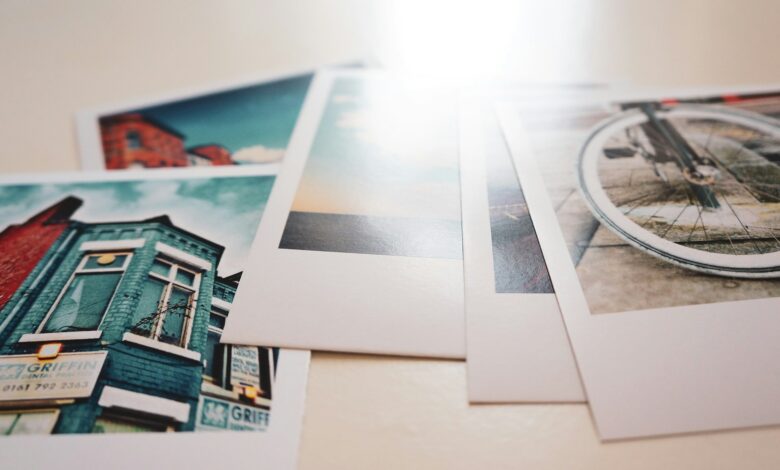
You can take a perfectly decent photo, send it to the printer, watch the sheet roll out and still end up wondering where the image went.
On screen, the photo had colour, contrast and small details worth zooming in on. Once printed, it can look flatter, darker than expected or strangely soft around the edges, with heavy blacks, tired skin tones or that dull office-printer look that makes even a good image feel underwhelming.
The printer usually gets blamed first, followed by the ink, the camera or the image file. The paper tends to be treated as the boring part of the process, even though it is the one surface the image physically lands on.
That is why photo printing paper matters more than people often realise. It is not simply thicker printer paper with a nicer name. The surface, coating, finish and weight all influence how ink behaves once it leaves the machine, which means they also affect how much colour, contrast and detail survive the move onto paper.
A screen is doing half the work for you
Photos are naturally flattering on screens because a phone, laptop or monitor is pushing light through the image. That backlighting gives colour and contrast an automatic lift, so even an average photo can look more alive than it really is.
Paper has a harder job. It has to reflect light rather than produce it, while the ink has to sit cleanly on the surface, hold detail and avoid sinking too far into the sheet. When the paper is not made for photo printing, the image can lose a lot of its energy before it has even dried.
Standard printer paper is fine for invoices, letters, internal documents and the occasional image inside a report, but it was never really designed to carry a full-colour photograph across the whole page. When too much ink hits ordinary paper, it can spread into the fibres, softening edges, weakening colour and making darker areas look heavy or uneven.
The finished print may technically contain the photo, but it does not always feel like the same image you were looking at on screen.
The coating is where much of the difference sits
Good photo paper has a coated surface, and that coating controls ink absorption, drying time and image sharpness. This is especially important with inkjet photo paper, because inkjet printers place liquid ink onto the sheet and rely on the paper to receive it cleanly.
The paper needs to absorb enough ink to fix the image, but not so much that the detail starts to bleed away. That balance is what helps create crisp detail, cleaner colour and a more polished finish, especially in areas where there are fine lines, gradients, shadows or skin tones.
This is also where features such as instant dry, smudge resistance and water resistance start to matter. If a photo print is going into a frame, being handled by customers, placed in a portfolio or posted out, drying behaviour becomes more than a small technical detail. A print that looks good for a few seconds and then marks as soon as someone touches it is not going to be much use.
You may also see different paper types described as cast coated, resin-coated or fibre-based. For most everyday users, the exact manufacturing language matters less than the result, although the principle is useful: the surface has been engineered to control how the ink lands, dries and reflects light.
Glossy paper gives photos that familiar snap
Glossy photo paper is popular because it gives images immediate impact. A glossy surface can make colours look richer, blacks look deeper and fine details feel sharper, which is why it often suits bright photos, holiday shots, product images and simple framed prints.
High gloss photo paper takes that polished look further. It can work well when the image needs clean colour and strong contrast, particularly when the subject has plenty of detail or strong lighting. This is why products such as Epson Premium Photo Paper Glossy or Canon Photo Paper Pro Platinum PT-101 are often associated with photo printers and more polished home printing setups.
The shine does bring trade-offs. A high-gloss finish can catch glare under lights, show fingerprints and feel overly reflective behind glass. For a photo album, that may not matter very much, but for a wall display, client presentation or office visual, the reflection can become distracting.
Glossy paper is usually a strong choice when you want punch and colour depth. It becomes less forgiving when the print will be handled often or viewed under awkward lighting.
Matte paper changes the mood of the print
Matte photo paper gives the image a calmer surface. It removes the shine, softens the way light reflects and can make a print feel more restrained, particularly when used for portraits, black and white images, artwork, menus, design mock-ups or anything that needs to be viewed without glare.
That does not make matte paper a lower-quality option. It simply gives the image a different character. Glossy photo paper tends to catch the eye quickly, while matte photo paper often suits images that benefit from a slower look, especially where texture, tone or composition matter more than shine.
Satin finishes and semi-gloss photo paper sit in the space between the two. They keep some of the colour depth and detail people like in gloss, while reducing the mirror-like surface that can make glossy prints awkward under certain lighting. For office displays, portfolios, framed images and marketing visuals, that middle ground can often be more useful than either extreme.
Thickness changes how seriously the print is taken
Photo paper thickness affects more than durability. It changes how the print feels in someone’s hand, how well it sits in a frame and whether the finished image feels temporary or considered.
A thin sheet can make a good image feel disposable, while a heavier sheet gives the print more presence, especially when it is being used for a portfolio, display image or client-facing document. That does not mean you always need the thickest paper available, but the weight should match the purpose of the print.
For casual photo prints, everyday packs will often be enough. For framed photos, presentation work or marketing material, heavier paper usually feels more polished. If you are printing in volume, sheets per pack also matters, as specialist photo paper is often sold in smaller quantities than normal A4 printer paper.
Size belongs in the same decision. A4 printer paper is the familiar choice for home and office use, but A4 photo paper gives a very different result because the surface is built for image reproduction. A3 printer paper or A3 photo paper makes more sense for posters, display images, larger artwork and presentation pieces where the photo needs more room.
The printer and paper need to work together
Printer compatibility is easy to overlook until something goes wrong. Inkjet printers need paper that can handle liquid ink, which is why inkjet photo paper has its own coating and drying behaviour. A photo printer can only produce a clean result if the sheet is able to receive the ink properly.
Laser printers work differently, so paper choice needs more care. Some photo papers are designed for inkjet use only, and using the wrong type can lead to poor results or feeding issues. Before buying thicker paper, high gloss photo paper or specialist media, it is worth checking what your printer can actually handle.
Brand systems can also play a role. Canon PIXMA photo printers, Epson printers and other photo-focused machines often have recommended paper settings for different finishes. Canon’s Pro Platinum papers and ChromaLife inks, for example, are part of a wider print system built around colour, finish and longevity. That does not mean you always have to buy the matching brand, but it does explain why the paper setting in the print menu should not be ignored.
If the printer is set to plain paper while you are using glossy photo paper, it may lay down the wrong amount of ink. Choosing the correct media type gives the machine a better chance of treating the sheet properly.
Fine art paper is a different category
Most people looking for photo paper do not need fine art media, although it is useful to understand why those products appear so often in search results around photo printing.
Fine art papers are usually chosen for texture, tonal control, paper permanence and presentation. Terms such as cotton photo paper, cotton rag, fibre-based photo paper and baryta inkjet coating usually belong in this area. Papers such as Hahnemühle Photo Rag Baryta or Canson Infinity ARCHES 88 are made for fine art prints, gallery prints and specialist work where the paper itself becomes part of the finished piece.
Baryta papers are often used when photographers want something closer to a traditional darkroom aesthetic, particularly for black and white work. Cotton rag papers can give fine art prints a softer, more textured feel, while some archival papers refer to ISO 9706 in relation to long-term paper permanence.
This level of paper makes sense for professional photographers, artists, galleries or anyone selling prints where texture and longevity matter. For everyday home prints, office visuals, product mock-ups and marketing material, standard glossy, matte, satin or semi-gloss photo paper will usually be the better-value choice.
A simple way to choose the right paper
The easiest place to start is with where the print will end up. If it is going in a photo album or being used for bright personal images, glossy photo paper is usually a safe choice. If it is being framed or viewed under strong light, matte or satin may be easier on the eye. If it needs to look polished without becoming overly shiny, semi-gloss photo paper is often the best compromise.
If the print will be handled, posted or used in a busy workspace, look for instant dry, smudge-resistant or water-resistant features. If it needs to feel more premium, pay attention to photo paper thickness and weight. If it is only being used for a basic office visual, expensive fine art paper is probably unnecessary.
The best paper is the one that suits the job, the printer and the way the print will be used. For everyday photos, display images, office visuals and marketing materials, choosing proper photo printing paper rather than standard printer paper gives the image a much better chance of holding its colour, contrast and detail.
You can browse a wider range of office paper, printer supplies and workplace essentials through Office Stationery, depending on what you need alongside your photo paper.
A good photo does not automatically become a good print. The paper has a bigger say in the final result than most people expect, and once you notice the difference, it becomes hard to ignore.