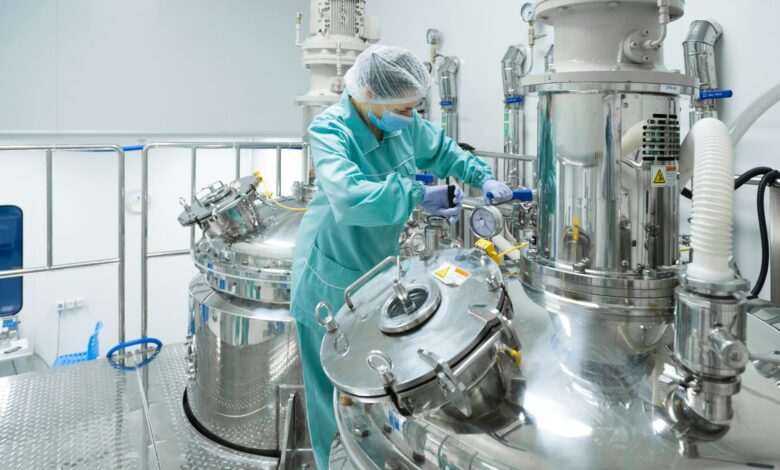
Finding the right chemical pumps and storage systems for your specific application is a vital step in creating an optimised fluid transfer system. To ensure the required performance, efficiency and safety standards are met and maintained it’s important to do your due diligence and research the optimum fluid transfer and storage solutions for your application. In its simplest form, a fluid transfer system will require the use of chemical pumps to keep the process moving, and chemical storage tanks to house the various chemicals and solutions required for your processes.
Choosing the right solution for your application
Manufacturers and Brands
When beginning your search for suitable products for your system, it’s likely that you will need to research multiple pump brands and chemical tank manufacturers. In order to create an overall fluid transfer and storage system that suits your application it’s best to look around and find a supplier which works with your sector regularly. Different manufacturers will have certain specialisms and extensive product ranges, each with individual products that have their own set of specifications and usage guidelines.
There are companies that have a broader selection of products that supply most, if not all, of the required specialist fluid transfer solutions – like Chem Resist, who are trusted distributors of chemical pumps and also manufacture thermoplastic chemical storage tanks. Chem Resist have decades of experience supplying pumps, valves and storage tanks that are compatible with aggressive and corrosive chemicals, covering all areas of fluid transfer and chemical storage solutions suitable for a range of applications. Choosing products from a brand like Chem Resist allows you to source all the required elements of your fluid transfer system from the same place to minimise the risk of incompatibility with other products.
Chemical Compatibility and Suitable Materials
The type of chemical you are using and the strength of the chemicals you are mixing, processing and storing will determine which storage and transfer solutions are best suited to your application. One of the key things to consider is that if you are handling harsh and aggressive chemicals you will need to use a suitable storage solution that is resistant to corrosion, like thermoplastic chemical storage tanks. For example, if you are using sulphuric acid in your processes, you will need to ensure that your systems are chemically compatible. If you are using hazardous or corrosive chemicals, using non-metallic pumps is the ideal solution for avoiding corrosion when using acids and caustics.
Purpose and Tank Construction
The design and construction of a chemical storage tank will be different depending on its desired use. Chemical tanks can be used for storing, mixing or processing chemicals, and each one of these applications will have specific tank requirements. If you are combining chemicals throughout your processes, internal mixing mechanisms can be added to create chemical blending and chemical processing tanks. If your chemical tank is simply for storage, these can have upgraded features like thicker walls, integrated bunds and secondary containment solutions for additional safety.
Depending on the manufacturing methods of your chosen chemical storage tank, the size and shape of the tank can be changed to accommodate your application. Most chemical storage tanks will have a flat base as standard, which is suitable for most chemical storage applications, but brands like Chem Resist can also manufacture tanks with coned or sloped bases. Having a cone shaped base on your tank is useful if your tanks need to be fully drained regularly, and a sloped base on your tank is ideal for use with heavier liquids, or chemicals and solutions with a high solid content.
Health and Safety Compliance
One of the most important parts in choosing and installing any new chemical storage or fluid transfer systems is to ensure that they are safe to use in your facility. The best way to check if your systems will be suitable is to review your local environmental and safety standards and undertake regular inspections of your existing fluid transfer and chemical storage. The Control of Substances Hazardous to Health (COSHH) regulations and Health and Safety Executive (HSE) guidelines are the most essential safety standards you must conform to if you’re going to operate a safe and functioning fluid transfer system. If you do not do your due diligence and evaluate the safety of the products you’re using and ensure they meet the required regulatory standards, your risk of a loss of containment incident or similar hazard is much higher.
Operating conditions
To have a fully functioning fluid transfer system you need to take into account the concentrations, volume, and the optimum operating temperatures of the chemicals you’re using. Certain chemicals will require specific conditions for storage and processing to avoid the risk of corrosion or the system running incorrectly. If you are using heavy, thick or viscous fluids for, example, these will require specific chemical pumps, like peristaltic hose pumps or diaphragm pumps, which are designed for use with these substances. Similarly, if you are storing these dense chemicals at your factory or facility, you will need a chemical storage tank that can withstand the extra pressure, like a Chem Resist custom designed tank with thicker, reinforced walls.
Additional Containment
It’s highly recommended to have additional containment solutions within your overall fluid transfer system. These containment methods can include tanker offload cabinets or bunds, which will catch and contain any leaks or spills. Preventing any hazardous chemicals from harming operators or entering the waterways is a high priority for any facility that handles chemicals. Having backup containment methods around your fluid transfer systems and chosen storage methods adds an extra layer of safety and protection for your team, and the environment.
Chemical Storage and Fluid Transfer Solutions
The ideal chemical storage and fluid transfer solution will depend entirely on your specific processes and application. The key things to consider when choosing the products which will become part of your overall systems are the chemicals you will be using and storing, their operating conditions, and the overall safety of your system. After taking these things into account, finding the right products for your system should be simple.