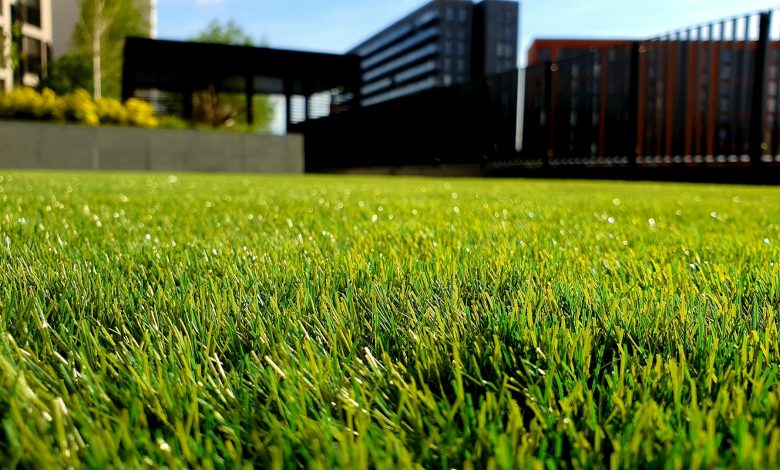
A tidy lawn doesn’t happen by luck. Most lawn care mistakes start with good intentions — mowing a bit lower, watering a little more, skipping one treatment because the grass looks fine. Then the damage creeps in. Thin patches show up. The colour fades. And suddenly the lawn that framed the whole garden so well looks tired.
One of the biggest slip-ups is cutting the grass too short.
It seems smart at first, right? Trim it low, mow less often, save time. But grass cut too close to the soil has a harder time building deep roots, which leaves it exposed when dry weather hits or disease rolls through. Longer grass holds moisture better and bounces back faster after stress. Small change. Big payoff.
Then there’s the blade issue.
Blunt mower blades don’t really cut — they rip. That leaves rough, torn tips that often turn brown and make the lawn look dry, even when it isn’t. Worse, those ragged edges can leave grass open to disease. A sharp blade gives a cleaner finish, and the grass recovers quicker. It’s one of those lawn care mistakes people miss for ages because the mower still “works.”
Watering causes trouble too; both extremes do.
Too much water can keep roots close to the surface, which makes the lawn weaker over time. Too little, and the grass dries out, thins, and struggles to recover. The better move is simple: water deeply, then leave it alone for a bit. That pushes the roots down where they should be. Picture two lawns in summer — one gets a light sprinkle every evening, the other a proper soak now and then. The second one usually holds up better when the heat sticks around.
Soil compaction is another problem, and it sneaks up on people.
Foot traffic, mowing, kids playing, garden furniture — it all adds up. Over time, the soil gets packed down so tightly that air, water, and nutrients can’t move through it properly. Grass roots hate that. Aeration helps by opening small holes in the soil and giving the lawn room to breathe again. Without it, even a watered and fed lawn can still look flat and weak. Frustrating, but common.
And here’s the part many people skip: seasonal work.
Mowing alone won’t keep a lawn in good shape all year. Scarifying, feeding, and aerating each have their moment, and missing them can cause slow decline that’s easy to ignore until it becomes obvious. Thatch builds up. Nutrients stop doing much. Growth turns uneven. Some of the most expensive lawn care mistakes come from ignoring jobs that seem optional… until they’re not.
Fertiliser matters too.
Use the wrong one at the wrong time and you can push the lawn in exactly the wrong direction. A feed high in nitrogen during autumn, for example, can encourage fresh top growth when the grass should be focusing on root strength before colder weather sets in. Spring feeds help growth take off. Autumn feeds help toughen the lawn up. Timing matters more than people think.
Edges and patchy spots deserve attention as well.
You can mow the main section perfectly, but if the borders are scruffy and the worn areas are ignored, the whole lawn looks unfinished. Worse, those weak patches can spread. A few minutes spent tidying edges or repairing small trouble spots can change the look of the entire garden. Funny how that works.
Equipment plays a part, too.
A mower or scarifier that doesn’t suit the size or condition of the lawn can make every job harder than it needs to be. That’s why choosing tools that actually match the task makes a difference. Suppliers such as Garden Machinery Direct offer equipment for different lawn sizes and needs, which can help homeowners avoid some of the more avoidable lawn care mistakes before they become bigger problems.
The good news? Most of this is fixable.
A lawn usually doesn’t fail all at once. It slips because of habits — mowing too low, watering badly, using the wrong feed, ignoring compacted soil. Change those habits, and the grass has a real shot at recovering. And when it does, the whole garden feels sharper. Cleaner. More alive.