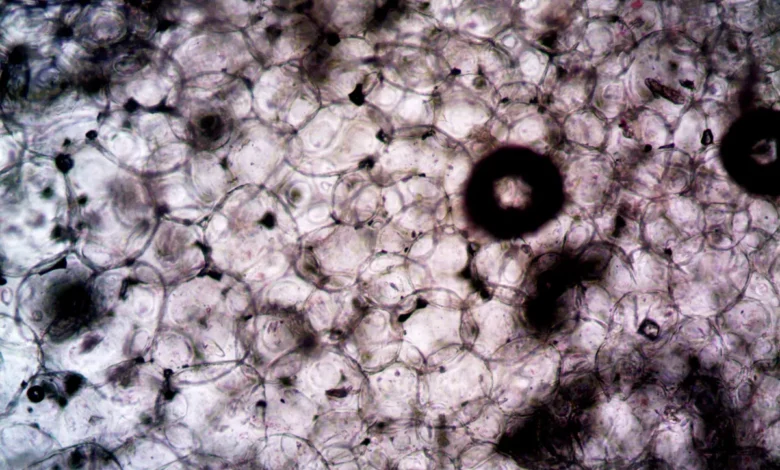
An experimental drug called RSO-021 produced encouraging RSO-021 mesothelioma trial results in a phase one study, controlling disease progression in 67% of participants and suggesting that deliberately overloading cancer cells with oxidative stress may be a viable treatment strategy. The findings, published in Nature Communications by researchers at the University of Vermont (UVM) and an international team of collaborators, describe a mechanism that reverses the conventional logic of antioxidant-based cancer research.
What RSO-021 does and how it is administered
Mesothelioma cells, like many cancer types, generate unusually high levels of reactive oxygen species, unstable molecules that can damage cells. To survive this self-generated stress, tumour cells ramp up production of protective antioxidant enzymes. One of those enzymes is peroxiredoxin 3, or PRX3, which operates inside the mitochondria. RSO-021 is designed to disable it.
According to Clinical Trials Arena, RSO-021 is a small molecule that irreversibly binds to mitochondrial PRX3, and is administered weekly into the pleural space following drainage of malignant pleural effusion (MPE) through an indwelling pleural catheter. That delivery route is practical for this patient group: the article notes that approximately 90% of mesothelioma patients already develop pleural effusions, meaning many already have a catheter in place. Concentrating the drug locally is intended to reduce systemic exposure while maintaining high levels near the tumour.
The mechanism, developed from discoveries made at UVM’s Cancer Centre around 2015, uses thiostrepton, a naturally occurring antibiotic, as its active agent. Blocking PRX3 causes hydrogen peroxide to accumulate inside tumour cell mitochondria until the oxidative damage triggers cell death. When researchers deleted PRX3 entirely from mesothelioma cell lines in the laboratory, mitochondrial function declined, cell growth slowed sharply, and the cells could no longer form tumours in animal experiments. Importantly, other research has shown that eliminating PRX3 in healthy mice produces no adverse effects, addressing a concern some scientists raise about targeting mitochondria.
RSO-021 mesothelioma trial results from the phase one study
The phase one trial, sponsored by RS Oncology, LLC, was conducted in the United Kingdom between 2022 and 2023 under oversight of the MHRA. The study enrolled patients with relapsed mesothelioma and met its safety and tolerability goals at a dose of 90 milligrams. No patient deaths were attributed to the drug. Tissue analysis confirmed that RSO-021 was engaging its intended biological target in human tumours, not merely in cells or animal models.
According to Mesothelioma Hope, 67% of patients followed for 12 weeks had tumours shrink or stop growing. In some patients, tumours shrank outright. Average progression-free survival was 4.2 months, broadly comparable to existing treatments. The more encouraging signal came from overall survival: among the 15 patients in the cohort, survival was better than what is typically seen with currently available therapies. Brian Cunniff, an associate professor in the Department of Pathology and Laboratory Medicine at UVM’s Larner College of Medicine and the company’s chief science officer, described that finding as a potential ‘game changer.’
Researchers also observed signs that RSO-021 may affect the immune environment around the tumour, not only killing cancer cells directly. ‘Our drug has both cytotoxic activity, it can kill the tumor cells, but it also has immunomodulatory capacity where it can modulate the immune system to now manage the tumor,’ Cunniff said.
Victoria Gibson, UVM research scientist and lead author of the study, reflected on what it meant for laboratory-stage research to reach human patients. She recalled being contacted by a family member hoping to enrol a dying relative in the trial: ‘We just work in a lab all day working with cells, and the fact that we’re making an impact on people, that they’re wanting to be on this clinical trial, just was amazing to me.’
Phase two and the path beyond mesothelioma
Phase two of the clinical trial has now been completed. Clinical Trials Arena reports that the expanded Phase II portion of the study, named the MITOPE trial, investigates RSO-021’s anti-cancer activity in patient groups including those with MPE due to malignant pleural mesothelioma, relapsed disease following first-line standard-of-care treatment, and local metastatic lung disease. The researchers say they expect to present those results at a global oncology meeting this year.
Work is also continuing on second-generation PRX3 inhibitors with improved solubility, developed by researchers at UVM, RS Oncology, the University of Leicester, and other UK institutions. Future versions could potentially be taken as an oral tablet. At UVM, Gibson is pursuing research into thiostrepton in peritoneal malignancies, including gastric cancer and other gastrointestinal cancers, in collaboration with Conor O’Neill, a surgical oncologist at the UVM Cancer Center and UVM Health.
Mesothelioma remains a disease with few good options. About 30,000 people worldwide are diagnosed each year; the five-year survival rate is approximately 10%, and median survival is about 12 months. ‘It’s a disease of a significant unmet medical need,’ Cunniff has said. The full paper is available in Nature Communications, published by Cunniff, Gibson, and an international team of collaborators.