A plasmalogen sea squirt study published in Frontiers in Molecular Biosciences on 23 February 2022 reports that dietary supplements derived from an edible marine animal improved memory, reduced brain inflammation, and produced visible physical changes in aged mice, findings the research team believes could eventually point toward strategies for slowing neurodegeneration in humans. The claim is interesting. The caveats are substantial.
What the plasmalogen sea squirt study actually found
The research was conducted by scientists from Xi’an Jiaotong-Liverpool University, Stanford University, Shanghai Jiao Tong University, and the University of Chinese Academy of Sciences. Their focus was on plasmalogens: a class of lipid, or fat molecule, that forms part of cell membranes and occurs naturally in the human body, with particularly high concentrations in the brain, heart, and immune cells. Plasmalogen levels are known to decline with age, and reduced levels have been observed in people with neurodegenerative conditions including Alzheimer’s disease and Parkinson’s disease.
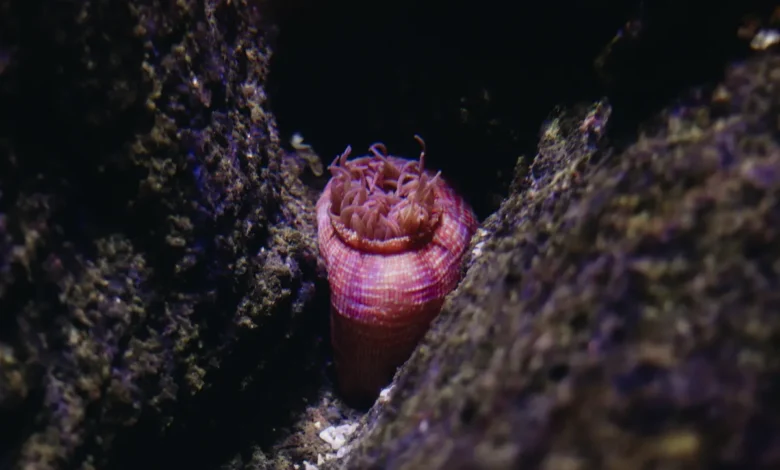
The source of the plasmalogens in the experiment was Ascidiacea, commonly known as sea squirts, which are eaten in parts of Asia. The researchers added plasmalogen supplements to the diets of aged mice and then measured the effects on behaviour and physiology.
To assess learning and memory, the team used the Morris water maze, a standard laboratory test in which mice are placed in a pool containing a hidden platform. Younger mice typically locate the platform quickly after a few days of training; older mice generally take longer, reflecting age-related cognitive decline. After five days of training, aged mice receiving plasmalogens reached the platform significantly faster than untreated aged mice, performing more like younger animals.
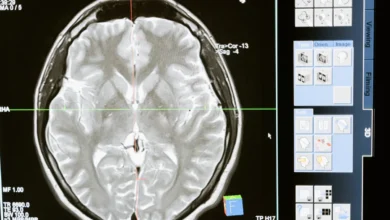
Brain examination revealed that treated mice had more synapses, and those synapses appeared to be in better condition. The researchers also found substantially lower levels of brain inflammation in the plasmalogen-treated group. Additionally, the treated mice grew new hair described as thicker and darker than that of untreated aged mice.
The mechanisms proposed, and what remains uncertain
Professor Lei Fu, the corresponding author of the study, was direct about the scope of the claim: ‘Our research suggests that plasmalogens may not just stop cognitive decline, but may reverse cognitive impairments in the aging brain.’ He outlined several possible explanations for the observed effects, none of which is yet established as the definitive mechanism.
One pathway involves neurotrophic molecules: ‘We found that plasmalogens significantly increase the number of molecules that aid the growth and development of neurones and synapses in the brain. This suggests that plasmalogens can promote neuroregeneration.’ A second proposed pathway concerns the physical properties of synaptic membranes: ‘Plasmalogens may increase the fluidity and flexibility of synaptic membranes, affecting the transmission of impulses between neurones.’
A third possibility runs through the gut. Professor Fu noted that some studies have shown dietary plasmalogens affect gut microorganisms, and that the gut-brain connection is increasingly linked to neurodegeneration. He suggested that plasmalogen effects on the gut microbiome may be part of what produced the improvements seen in the mice.
The researchers describe the work as providing the first detailed look at how plasmalogens may influence the ageing brain. Professor Fu goes further: he says he personally takes a plasmalogen supplement every day, and describes oral intake as ‘a feasible therapeutic strategy to improve cognitive function in older people.’
That confidence is worth noting, but so is the context. This is an animal study. Improvements in aged mice do not automatically translate to equivalent effects in humans. The doses used, the duration of supplementation, the long-term safety profile, and whether any of these mechanisms operate in the same way in people all remain to be established through further research. The study does not constitute evidence that eating sea squirts or buying a plasmalogen supplement will reverse human ageing.
What the study does offer is a reasonably detailed mechanistic hypothesis, published in a peer-reviewed journal, with results that are internally consistent across behavioural tests and brain tissue analysis. Whether those results survive replication in larger animal studies, and eventually in human trials, is the question the plasmalogen sea squirt study leaves open. The paper is available in full via Stanford University‘s collaborating research network, and the journal entry itself provides the full methodology for scrutiny.