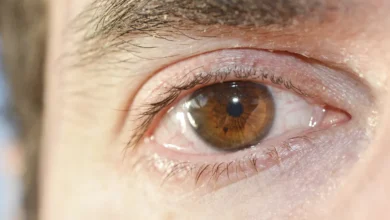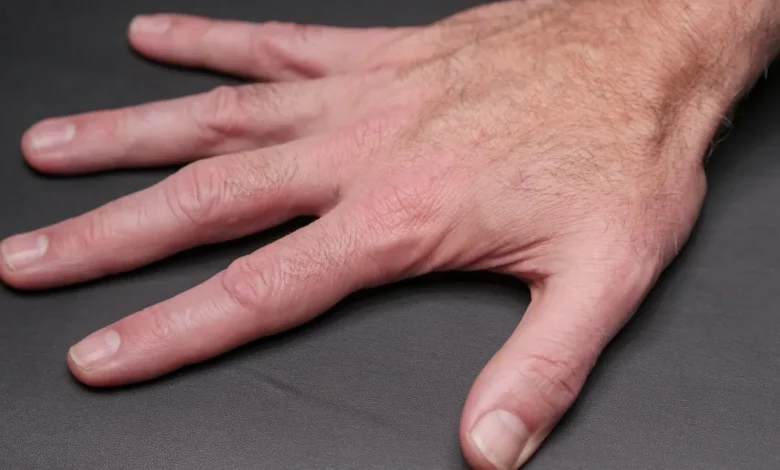
A controlled, multinational GLP-1 nail detachment study has found that people taking GLP-1 receptor agonist medications, including Ozempic, Wegovy, Mounjaro, Zepbound, Victoza and Trulicity, were more than four times as likely to report nail detachment as those who had never used the drugs. The findings were among several dermatological signals that researchers said could not be entirely explained by weight loss.
The research was presented at the European Academy of Dermatology and Venereology (EADV) Congress 2026, which ran from 30 September to 3 October in Vienna, Austria, according to HCPLive. The congress appearance marked the first time a controlled study had investigated the possible relationship between GLP-1 medications and nail health, the researchers said.
What the GLP-1 nail detachment study actually measured
The study examined 575 people using GLP-1 medications and compared them with 1,329 individuals who had type 2 diabetes and/or obesity but had never taken the drugs. Participants were recruited from France, the United States, Brazil and Mexico, giving the dataset a reasonably broad geographic spread.
The headline finding: 39% of GLP-1 users reported nail detachment, in which the nail separates from the underlying skin, compared with just 9% of the control group. Nail discoloration showed a similarly large gap, affecting 46% of users versus 17% of non-users. Taken together, two-thirds of GLP-1 users (66%) reported at least one nail disorder, against 53% of those who had never taken the medications.
These are associations, not proofs of causation. The researchers were careful to say so. Study author Dr Charles Taïeb was quoted as saying: ‘Our findings show a clear association, but they also underline an important point: not everything that happens during GLP-1 treatment is necessarily caused by the treatment itself.’
That caveat matters. Around half of the medication users said they had experienced nail problems even before starting treatment. When the researchers adjusted for pre-existing skin conditions and nutritional deficiencies, some of the differences between the two groups narrowed. Even so, nail detachment and discoloration remained approximately two to three times more common among GLP-1 users after those adjustments.
The researchers also asked whether rapid weight loss, rather than the drugs themselves, might explain the nail changes. It did not fully account for them. When the analysis was limited to participants who had lost weight, GLP-1 users still reported more nail problems than those who had not taken the medications.
Hair loss and scalp inflammation follow a similar pattern
A companion study using the same participant pool looked at hair and scalp health. The findings ran in a consistent direction. As U.S. News & World Report reported, 50% of GLP-1 users experienced unusual levels of hair loss, compared with 34% of non-users. Reduced hair volume or density affected 42% of users against 19% of the control group. Hair loss that began specifically after treatment started was reported by 26% of GLP-1 users, versus 12% of non-users.
Scalp redness was approximately three times more frequent among people taking the medications. Crucially, the researchers noted that hair loss rarely appeared in isolation: most users who reported shedding also had accompanying scalp symptoms, including itching, redness or flaking. That clustering pointed toward inflammation as a possible contributing factor, rather than the changes being a straightforward consequence of caloric deficit and rapid weight reduction.
Study author Dr Bruno Halioua said: ‘This suggests that what is happening on the scalp may go beyond the classical shedding seen after rapid weight loss and involve an inflammatory component. Scalp inflammation was the rule rather than the exception, which clinicians do not currently look for and which may be treatable.’
Both investigations were cross-sectional in design, meaning the researchers examined participants at a single point in time rather than following them prospectively. The symptom data also relied on self-report rather than standardised clinical examination. Those are real constraints on what can be concluded.
The research team plans to address those limits with prospective studies that will follow patients from the start of treatment, incorporating standardised skin, hair and nail examinations alongside biological monitoring. The stated goals are to establish when changes first appear, identify the mechanisms behind them, and determine whether they resolve over time. The research received institutional support from DUCRAY Laboratories (Pierre Fabre Group).
For patients already on GLP-1 therapy, Dr Taïeb’s framing is worth quoting directly: ‘These changes are frequent, usually benign, and are not a reason to stop an effective treatment on one’s own initiative. Anyone who notices hair shedding, an itchy or red scalp or nail changes should mention it to their doctor rather than discontinue therapy.’