A brain imaging study published in eBioMedicine has found what the researchers describe as the strongest evidence so far that long COVID dopamine neurons sustain measurable damage, a finding that could reshape how scientists think about treating the condition’s most debilitating symptoms. The study was led by scientists at the Centre for Addiction and Mental Health (CAMH).
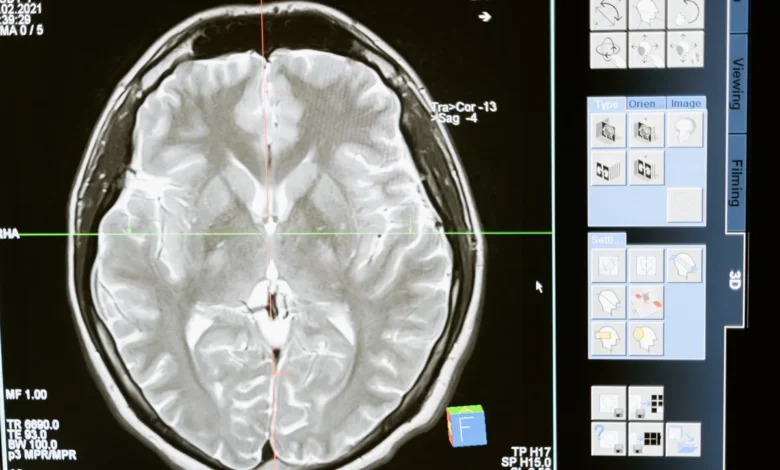
The researchers used positron emission tomography (PET) to examine a specific biological marker in people with long COVID and compare the results with those from healthy participants. That marker is vesicular monoamine transporter 2, or VMAT2, a protein whose levels indicate the density of dopamine nerve terminals in the brain. According to CIDRAP, the team found lower levels of VMAT2 in the brains of people with long COVID and neuropsychiatric symptoms compared with the control group, suggesting a reduced density of dopamine nerve terminals.
Where the damage was found, and what it maps to
The VMAT2 reductions were concentrated in the striatum, a group of brain regions that, as CIDRAP notes, plays key roles in reward and motivation, movement and motor control, and cognition. That matters because the location of the damage was not uniform: different parts of the striatum tracked with different clusters of symptoms.
Lower VMAT2 levels in the ventral striatum were linked to greater loss of motivation. Reductions in the dorsal putamen were associated with slower movement. Lower levels in the caudate putamen were connected with memory difficulties. The pattern suggests the dopamine system is not failing in a single, undifferentiated way but in ways that correspond, at least loosely, to the specific complaints patients report.
Long COVID is estimated to affect about five per cent of the global population, including roughly two million people in Canada. The condition is defined by symptoms that persist for at least three months after the initial COVID-19 infection; common brain-related complaints include fatigue, brain fog, memory problems, and low mood. Despite how widespread the condition is, there are currently no evidence-based treatments.
Long COVID dopamine neurons and the inflammation link
The CAMH team’s earlier work had already shown that people with long COVID carry unusually high levels of brain inflammation, particularly in regions containing large numbers of dopamine-releasing neurons. The new study provides what the researchers describe as direct evidence that VMAT2 is reduced in those same regions, and that the reduction correlates with patients’ symptoms.
‘We know that inflammation can injure dopamine neurons,’ says Dr. Jeffrey Meyer, Senior Scientist at the Brain Health Imaging Centre, Canada Research Chair, and senior author of the study. ‘While our earlier research showed high levels of inflammation in those regions, this study provides direct evidence that the dopamine neuron marker is reduced in the same regions, and that this loss correlates with patients’ symptoms.’
The two studies, taken together, trace a possible chain of causation: persistent brain inflammation damaging dopamine-releasing neurons, whose loss then produces the fatigue, motivational deficit, motor slowing, and cognitive difficulties that characterise the condition. The word ‘possible’ matters here. The study demonstrates an association and a plausible mechanism; it does not yet establish that inflammation directly causes the VMAT2 loss, or that restoring dopamine function would resolve symptoms.
For those living with the condition, the biological framing carries its own weight. Susan Deuville, lived experience research advisor to Dr. Meyer, puts it plainly: ‘For five years I have been seeking answers on what happened to me after I contracted COVID in 2021. It was a crushing loss of the life I had and the person I was before. The research of Dr. Meyer brings hope. It also validates what long COVID sufferers have always known, long COVID is real and the effects are devastating.’
A clinical trial planned to test dopamine-targeted treatment
The researchers are now planning to begin a clinical trial in the upcoming couple of months that will target dopamine function directly in people with long COVID. The goal is to determine whether modifying dopamine activity can improve memory, motivation, and fatigue. The trial will be conducted in collaboration with University Health Network (UHN).
Dr. Meyer has pointed to specific pharmacological approaches worth investigating, including dopamine precursors and inhibitors of dopamine metabolism, medications already used in other neurological conditions that affect the same system. The study was supported by the Canadian Institutes of Health Research.
The eBioMedicine paper, authored by Yuhan Karida Liu, Devina Persaud, and colleagues, is titled ‘Loss of vesicular monoamine transporter 2 in striatum of long COVID and relationship to neuropsychiatric symptoms.’ Whether the clinical trial confirms that targeting those long COVID dopamine neurons produces measurable benefit for patients is the question the next phase of research is designed to answer.