Researchers have discovered traces of E. coli, faecal bacteria and mould on a common item used by millions of Brits every single day — and experts are warning that most users have no idea the risk exists.

The item goes directly in the mouth multiple times a day, is rarely cleaned and is used by an estimated 5.4 million people across the UK — vaping devices.

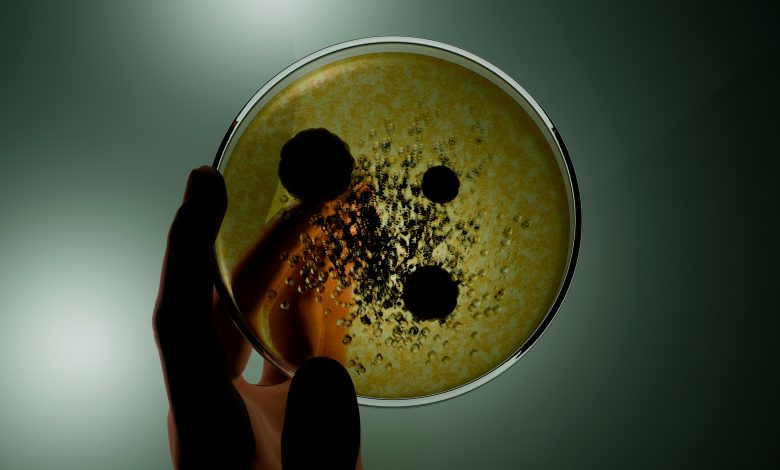
A study by researchers at Virginia Commonwealth University's forensic toxicology laboratory analysed nearly 1,300 vaping devices and found bacterial contamination including coliform — a bacteria that indicates the presence of faecal matter — as well as E. coli, mould and fungi on a significant number of devices. In many cases the levels exceeded the exposure threshold at which health effects are likely to occur.

(Full study: https://news.vcu.edu/article/vcu-research-dangers-of-vapes)

Crucially, researchers confirmed the contamination was not present in unopened, unused products. It was linked directly to the way devices are handled and stored — with poor hand hygiene identified as the primary cause. Devices are regularly carried in back pockets, handled constantly throughout the day and put directly to the mouth without ever being wiped down.

Shane Margereson, spokesperson for vaping specialists Ecigone (Ecigone.co.uk), said the findings should prompt millions of British vapers to rethink how they treat their device.

"Most people would never drink from a cup they had not washed in months, but that is effectively what some vapers are doing," Margereson said. "You are putting this device to your mouth dozens of times a day. If it is carrying E. coli or mould, you are inhaling that directly. These findings are a serious reminder that basic hygiene applies to vapes just as much as anything else you put near your mouth."

Why vapes are particularly susceptible

Vaping devices are warm, regularly handled and often sticky with residual e-liquid — conditions that make them hospitable to bacterial and fungal growth. They are carried in pockets and bags throughout the day, frequently picked up after touching door handles, phones and other high-contact surfaces, and rarely given a second thought when it comes to cleaning.

The risks associated with sharing devices have attracted significant attention in recent weeks following the UK's meningitis B outbreak, with health officials confirming that sharing vapes is a recognised transmission route for the bacteria. However, the Virginia Commonwealth University findings suggest the dangers of sharing go further still — with users potentially passing E. coli, faecal bacteria and mould directly to one another through a device that many assume to be safe to share.

Lead researcher Professor Michelle Peace confirmed that any count of coliform colonies in an inhaled product constitutes a failed test under pharmaceutical standards, noting that the bacteria enters devices because people do not wash their hands before handling them — particularly after using the bathroom. Inhaling contaminated aerosol directly into deep lung tissue can cause fevers, headaches, persistent coughs and in more serious cases pneumonia.

How to clean your vape — Ecigone's simple guide

Margereson stressed that the solution is straightforward and takes only minutes.

"This is not a complicated problem to address," he said. "A few basic habits remove the vast majority of the risk entirely."

Vape experts at Ecigone (Ecigone.co.uk) recommends the following:

- Wipe the mouthpiece down daily — a quick wipe with an antibacterial wipe takes seconds and removes the most common surface contamination
- Deep clean weekly — remove the mouthpiece and clean with warm soapy water, allow to dry fully before reattaching
- Wash your hands before using your device — particularly after using the bathroom, handling food or being in public spaces
- Replace pods and coils regularly — old pods and coils accumulate residue that can harbour bacteria and mould over time
- Never share your device — sharing transfers saliva and bacteria directly to the next user and, as recent public health warnings have highlighted, carries serious risks beyond simple hygiene

"None of this is difficult," Margereson added. "It is the same basic hygiene logic that applies to anything else that goes near your mouth every single day. Clean your device, wash your hands and do not share it — the evidence now suggests the consequences of not doing so are more serious than most people realise."